
Global logistics faces fresh strain from Middle East escalation

The increasing escalation of conflict in the Middle East is creating immediate disruption across global logistics networks. Both air and ocean freight services are being affected, with consequences extending beyond the region into major international trade corridors.
Should instability persist, additional strain on global supply chains is expected and further operational challenges remain likely. The situation continues to evolve rapidly. A summary of the current impact is outlined below.
Air Freight
Extensive airspace closures across parts of the Middle East have significantly limited flight operations to and from the region.
Long-haul routes that typically pass through Middle Eastern airspace are also being rerouted or cancelled. This has led to congestion at alternative hubs, extended transit times, reduced global cargo capacity, and schedule disruptions across multiple trade lanes.
Several carriers have suspended flights to key regional gateways, mainly affecting connections to Bahrain, Iran, Israel, Iraq, Jordan, Kuwait, Lebanon, Qatar, Saudi Arabia, and the United Arab Emirates.
As long as airspace restrictions remain in effect, delays and backlogs are expected to continue.
Air freight rates are rising rapidly, particularly on Asia–Europe and Asia–Middle East routes. Additional cost pressures may emerge through expanded fuel surcharges and the introduction or increase of war risk premiums.
Ocean Freight
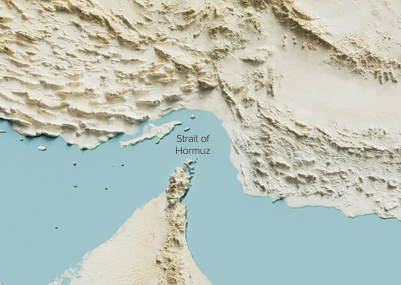
Most ocean carriers have suspended passage through the Strait of Hormuz. Cargo currently in transit will likely be delayed, and some carriers have halted services to and from the broader Middle East altogether. • Carriers have already implemented additional surcharges on regional shipments, including war risk premiums and general rate increases.
Lines that had recently resumed limited transits via the Suez Canal have begun diverting vessels around the Cape of Good Hope once again.
The resulting disruption is expected to have knock-on effects across adjacent trade lanes, particularly Asia–Europe services, while global ocean freight rates may rise if the conflict persists and fuel prices remain elevated.

Related Articles

From cybersecurity to customs, mental health to net zero The first wave of Multimodal 2026 conference sessions are announced

Exporting Budget Blues
